Licence 39836  ·  Hamriyah Free Zone  ·  Sharjah, UAE

Crude, product and lubricants, traded out of the Emirates.

Nexus Oil Trading FZE deals in the physical import, export and cross-trade of petroleum products. We work one cargo at a time: a specification you can hold us to, an Incoterm we both understand, and a laycan we intend to keep.

Jurisdiction Hamriyah Free Zone Authority
Licence Commercial No. 39836
Mandate Import · Export · Cross-trade
Desk hours Sun–Fri · GST (UTC+4)

Who we are

A trading desk built around physical delivery, not paper positions.

Nexus Oil Trading FZE is a Free Zone Establishment with limited liability, licensed by the Hamriyah Free Zone Authority in Sharjah. The licence covers the import, export and trading of petroleum products, the trading of crude oil abroad, and the supply of lubricants and grease. That is the whole of our business, and we do not stray outside it.

Sharjah sits an hour from three of the busiest bunkering and storage hubs on the planet. Hamriyah has its own deep-water port and tank terminals; Khor Fakkan and Fujairah face the Gulf of Oman and never require a Hormuz transit; Jebel Ali handles the container and packed-goods leg. Working from inside that triangle is the reason we can quote a Gulf cargo in the morning and have a nomination in front of a supplier by the afternoon.

What a counterparty actually buys from a trader is certainty — that the product meets the spec on the certificate, that the vessel arrives inside the window, and that the documents arrive in a form the bank will accept. Everything on this site is organised around those three promises.

Read the full company profile

What we move

Four product families. Every one quoted against a published standard.

We do not sell "fuel". We sell a grade, with a test method behind every line of the certificate of quality. If a specification is not on this page, ask — the list below is where our volume sits, not the limit of what we can source.

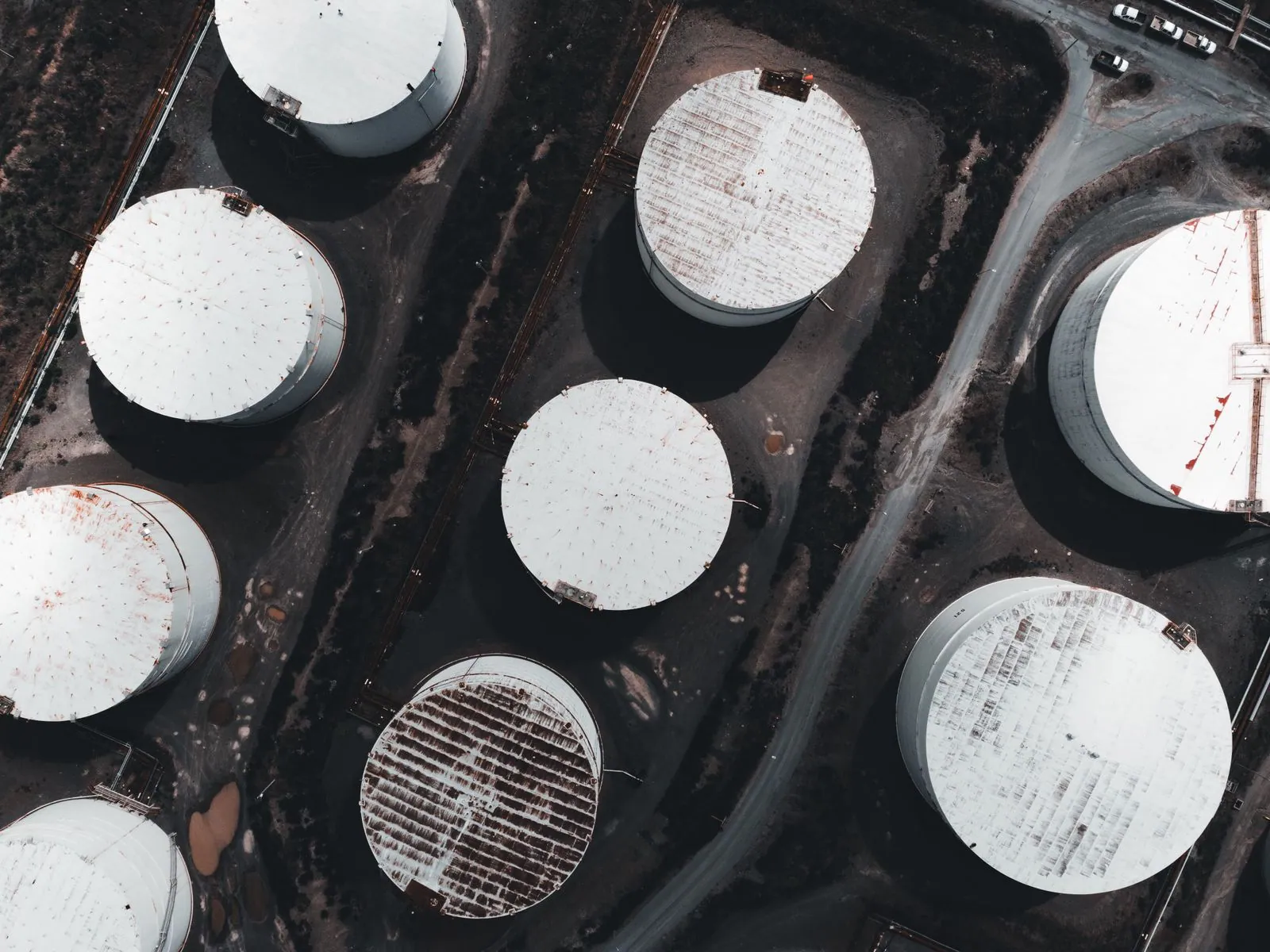
Aerial view of white petroleum storage tanks at a coastal terminal
EN 590 · ASTM D975

Middle distillates

Automotive gasoil and diesel across the full sulphur range, from 10 ppm EN 590 for regulated markets down to 500 ppm and 5000 ppm grades for off-road, mining and power generation. Quoted CIF, CFR, FOB or ex-tank depending on where you can receive it.

  • Gasoil 10 ppm / 50 ppm / 500 ppm / 5000 ppm S
  • Cetane index, cold filter plugging point and flash certified per cargo
  • Parcels from truck lots to clean-product coasters and MRs
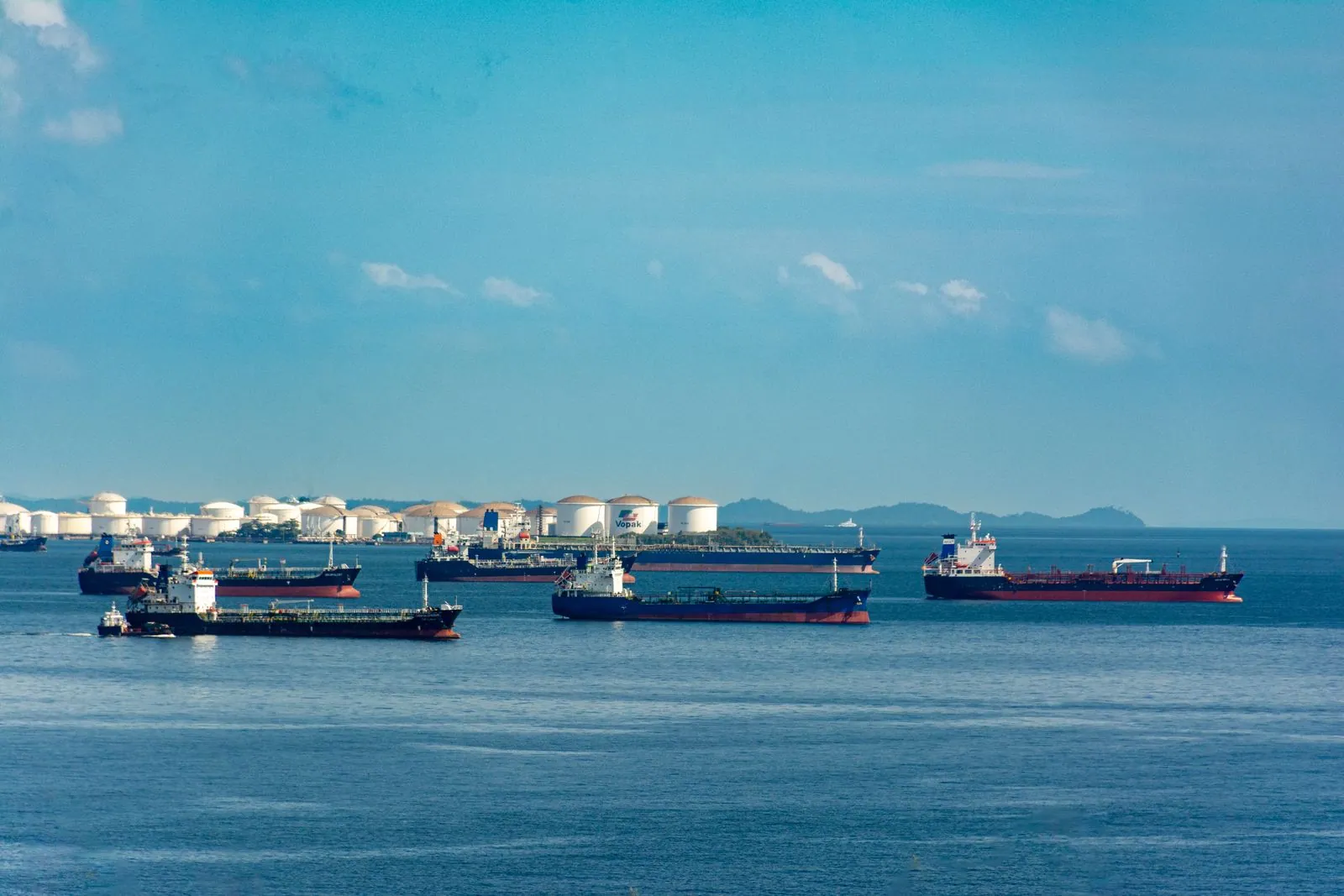
Tankers lying at anchorage off a coastal oil terminal
ISO 8217

Marine fuels & bunkers

Residual and distillate marine fuels for owners, operators and physical suppliers working the Gulf and Gulf of Oman. Post-IMO 2020 compliant grades as standard, with high-sulphur residual available for scrubber-fitted tonnage.

  • VLSFO RMG 380 0.50 % S and RMK 500 where the burner allows
  • LSMGO DMA 0.10 % S and DMB for auxiliary and harbour craft
  • HSFO 380 cSt 3.5 % S for scrubber-equipped vessels
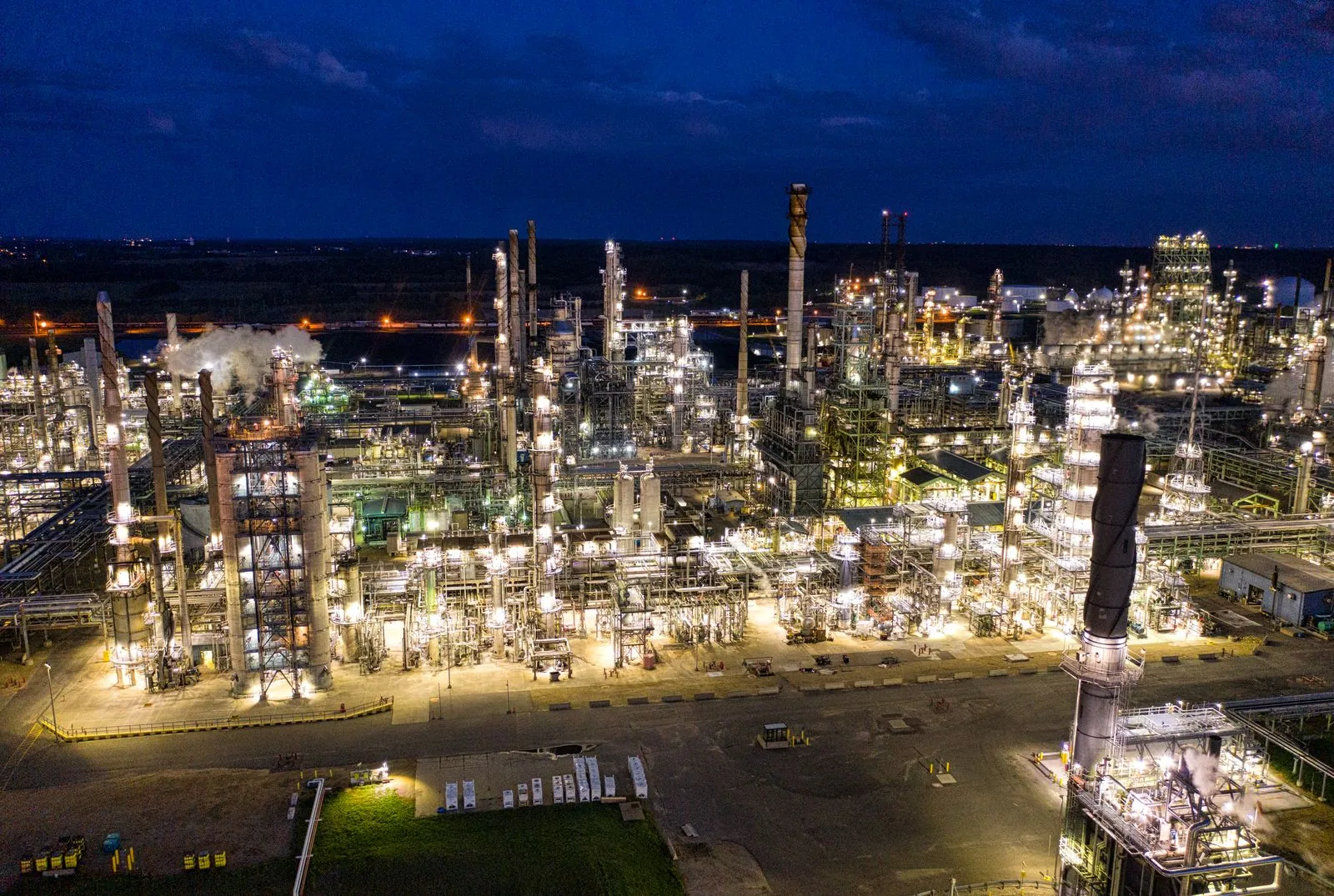
Refinery and product terminal lit at dusk
ASTM D4052 · DEF STAN 91-091

Light ends & crude

Gasoline, jet fuel and kerosene on the product side; crude oil handled strictly as a cross-trade between an origin and a destination outside the UAE, in line with the terms of our licence.

  • Gasoline 91 / 95 RON, unleaded, with full RON and RVP certification
  • Jet A-1 to DEF STAN 91-091 / ASTM D1655 with a valid refinery COA
  • Crude and condensate cross-trade against firm end-buyer documentation
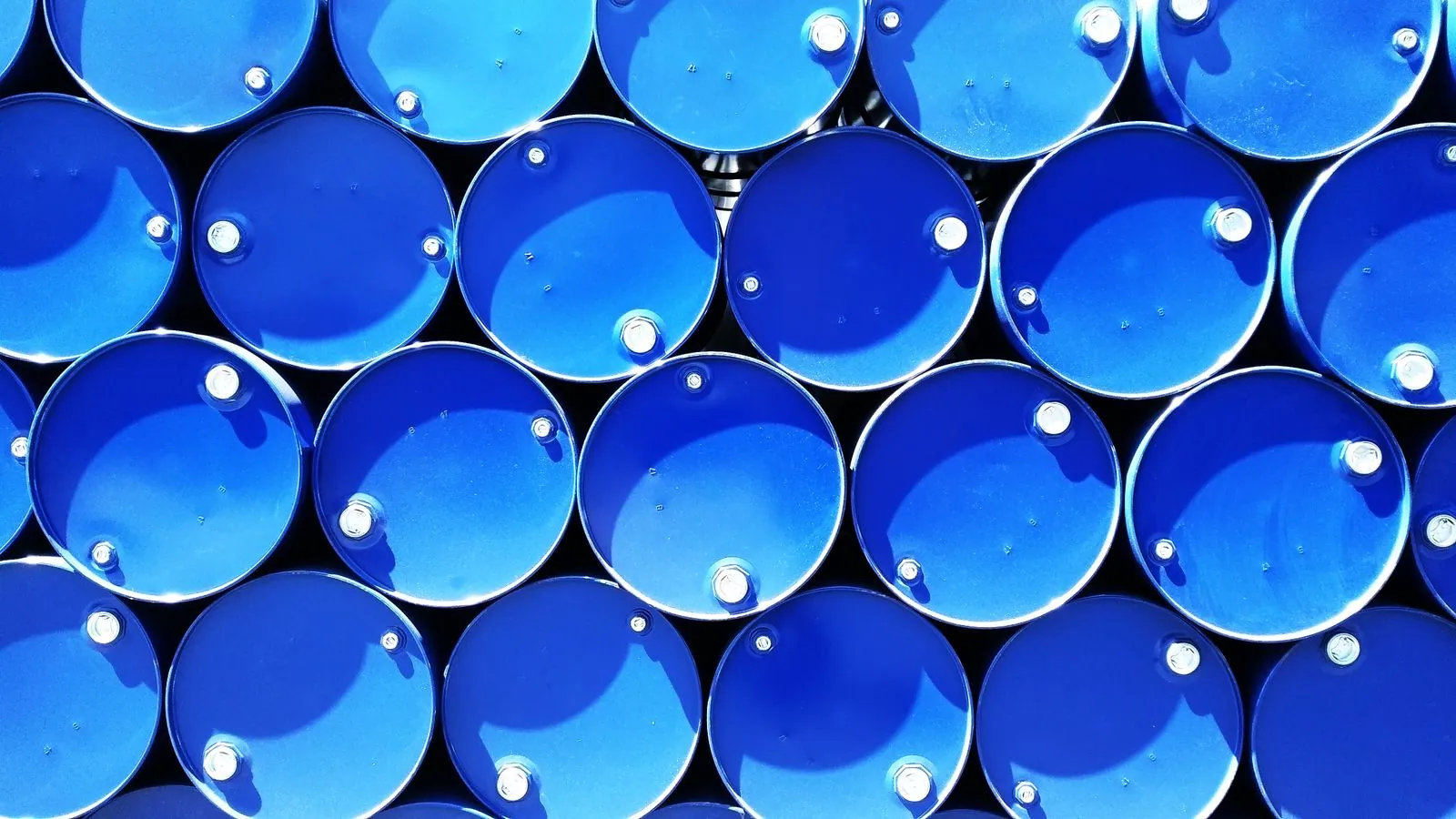
Rows of sealed steel drums photographed from above
API · ACEA · NLGI

Lubricants, base oils & grease

The packed side of the business. Group I and Group II base oils in bulk or flexitank, and finished lubricants and greases in drum, pail and IBC for distributors, fleets, marine workshops and industrial buyers.

  • Base oils SN 150 / SN 500 / BS 150, bulk or 208 L drum
  • Engine oils to API SN / CK-4 and ACEA E-series; hydraulic and gear oils
  • Lithium and lithium-complex greases, NLGI grades 1–3
Aerial view of a refinery complex illuminated at night

Physical, not paper

If we sell it, someone somewhere is loading it.

Every trade we write is backed by a cargo that exists, in a tank or on a vessel, with an inspector who can be sent to look at it. We do not offer allocations we have not seen, and we do not pass along documents we have not read.

That sounds obvious. In this market it is not. A large share of the offers circulating on any given day trace back to nobody with title to the product. The quickest way to tell the difference is to ask for the tank number, the terminal and the name of the inspector — and then to watch what comes back.

Ask us those questions. We would rather lose an enquiry on price than win one on a promise we cannot document.

How a cargo moves

Six stages, in order, every time.

The sequence below is not a diagram for its own sake — each stage has to close before the next one opens, and knowing which stage a deal is in tells you exactly what is holding it up.

01

Enquiry and indication

Same working day

You tell us the product, the quantity, the delivery basis and the port. We come back with an indicative level and, just as importantly, with what we would need in order to firm it up. If the trade does not work, we say so at this stage rather than three emails later.

02

Firm offer and counter

24–48 hours · validity stated on the offer

A firm offer carries the full specification, quantity with operational tolerance, laycan, Incoterm, price or pricing formula, payment terms and a stated validity. Counters are welcome. What we will not do is leave a term deliberately vague so it can be reinterpreted after signature.

03

Contract and instrument

Sale contract · LC, SBLC, CAD or TT

The sale and purchase contract restates the offer in full and adds inspection, demurrage, title and risk, force majeure and law and jurisdiction. Payment instruments are agreed here — documentary letter of credit, standby, cash against documents or telegraphic transfer — and the wording is checked against the documents we can actually produce.

04

Nomination and laycan

Vessel or truck nomination · terminal acceptance

Vessel nomination goes to the terminal for acceptance, or the truck programme goes to the loading rack. Laycan is confirmed, berthing prospects are tracked daily, and you get the same operational picture we have — including when it slips, which occasionally it does.

05

Inspection and loading

Independent quantity & quality survey

An independent inspector attends loading, draws and seals samples, gauges shore tanks and ship compartments and issues the quantity and quality report. Retained samples stay available for the contractual period. Where a buyer wants their own inspector alongside ours, that is arranged and shared.

06

Documents and discharge

Full set within the LC presentation period

Bill of lading, commercial invoice, certificate of origin, certificate of quality and quantity, ullage report, time sheet, cargo manifest and any legalisation the destination requires — assembled as one set, checked for discrepancies before presentation, and couriered or presented electronically as the instrument demands.
Quality assurance

A cargo is only as good as the paperwork that survives it.

Disputes in this trade almost never start with the oil. They start with a sample nobody witnessed, a gauge nobody countersigned, or a certificate issued by a laboratory the buyer has never heard of. We spend a disproportionate amount of effort on that ten per cent of the process because it is where the money is lost.

Independent inspection is standard on every cargo we handle, not an option the buyer pays extra for. Samples are drawn and sealed in the presence of both sides where possible, witnessed where not, and retained for the full contractual period so a later question can still be answered with evidence rather than recollection.

  • Independent quantity and quality survey at load and, where contracted, at discharge
  • Shore tank gauging and vessel ullage reconciled before the bill of lading is signed
  • Certificate of quality issued against the test methods named in the contract
  • Sealed retained samples held for the contractual claim period
  • Document set pre-checked against the letter of credit before presentation
Analyst examining a fuel sample vial in a testing laboratory
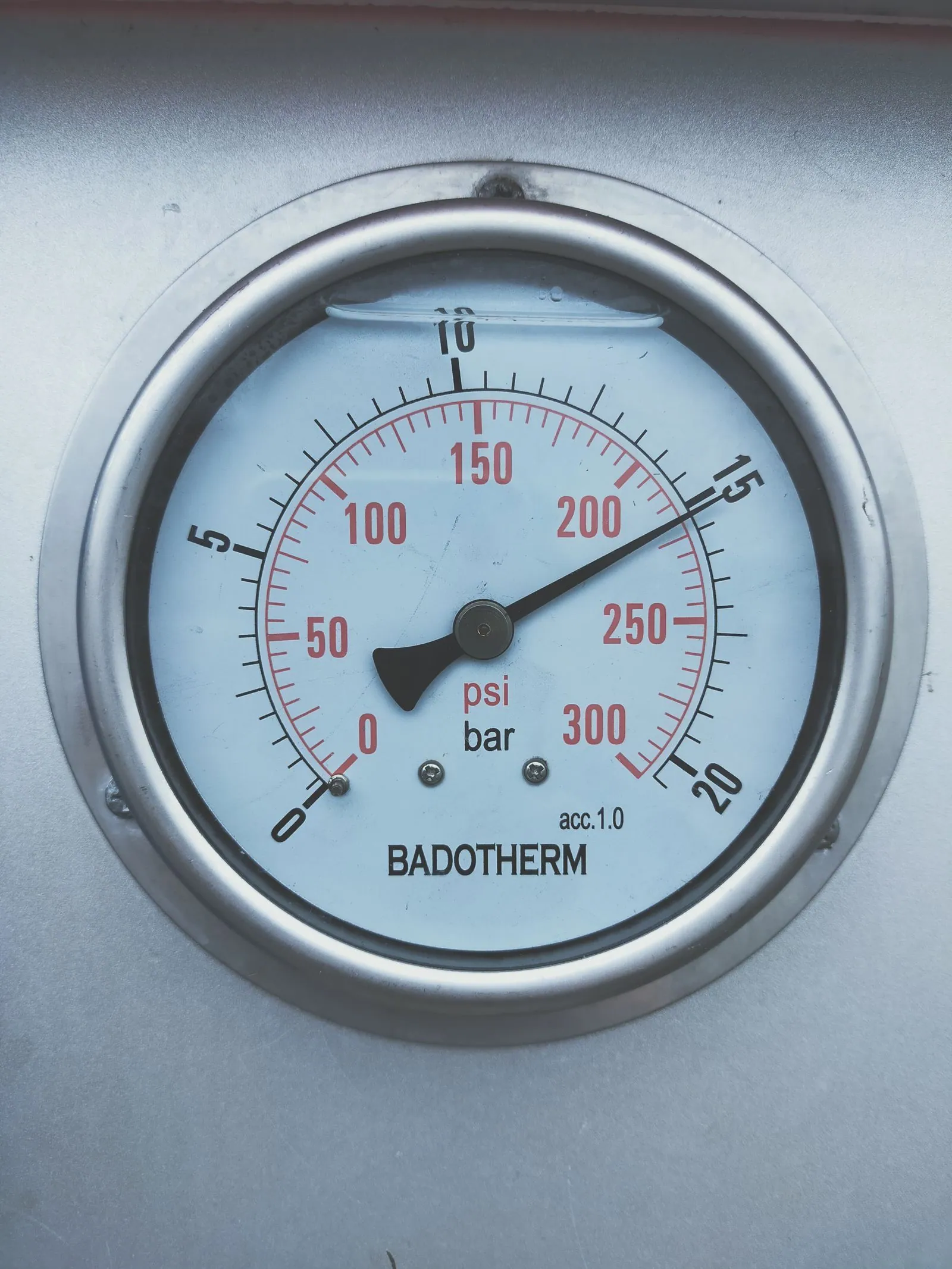
Industrial pressure gauge on a product line
Line pressure, verified at loading
Technician running a laboratory test on a petroleum sample
Certificates of quality issued against contract test methods

The company, plainly

No inflated numbers. Here is exactly what we are.

2026 Licensed

Commercial licence 39836 issued by the Hamriyah Free Zone Authority, Sharjah — a new company built by people who have worked these cargoes before.

04 Product families

Middle distillates, marine fuels, light ends and crude, and the packed lubricants and grease business.

24 h Enquiry response

Our commitment on any enquiry that names a product, a quantity and a delivery point. Faster where a laycan is already live.

100 % Independently inspected

Every cargo. Quantity and quality surveyed by a third party we do not control and the buyer is free to nominate.

Where we operate

One base, three corridors.

The UAE is not just where the company is registered — it is the reason the trade routes below work. Product, storage, tonnage and banking sit within a few hours of each other, and none of the eastbound or southbound legs require a Strait of Hormuz transit.

Aerial view of the United Arab Emirates coastline

United Arab Emirates & the Gulf

Hamriyah, Khor Fakkan, Fujairah, Jebel Ali, Sohar and Ruwais. Ex-tank, FOB and delivered parcels, truck programmes into the northern Emirates, and bunker stems for vessels calling or waiting off Fujairah.

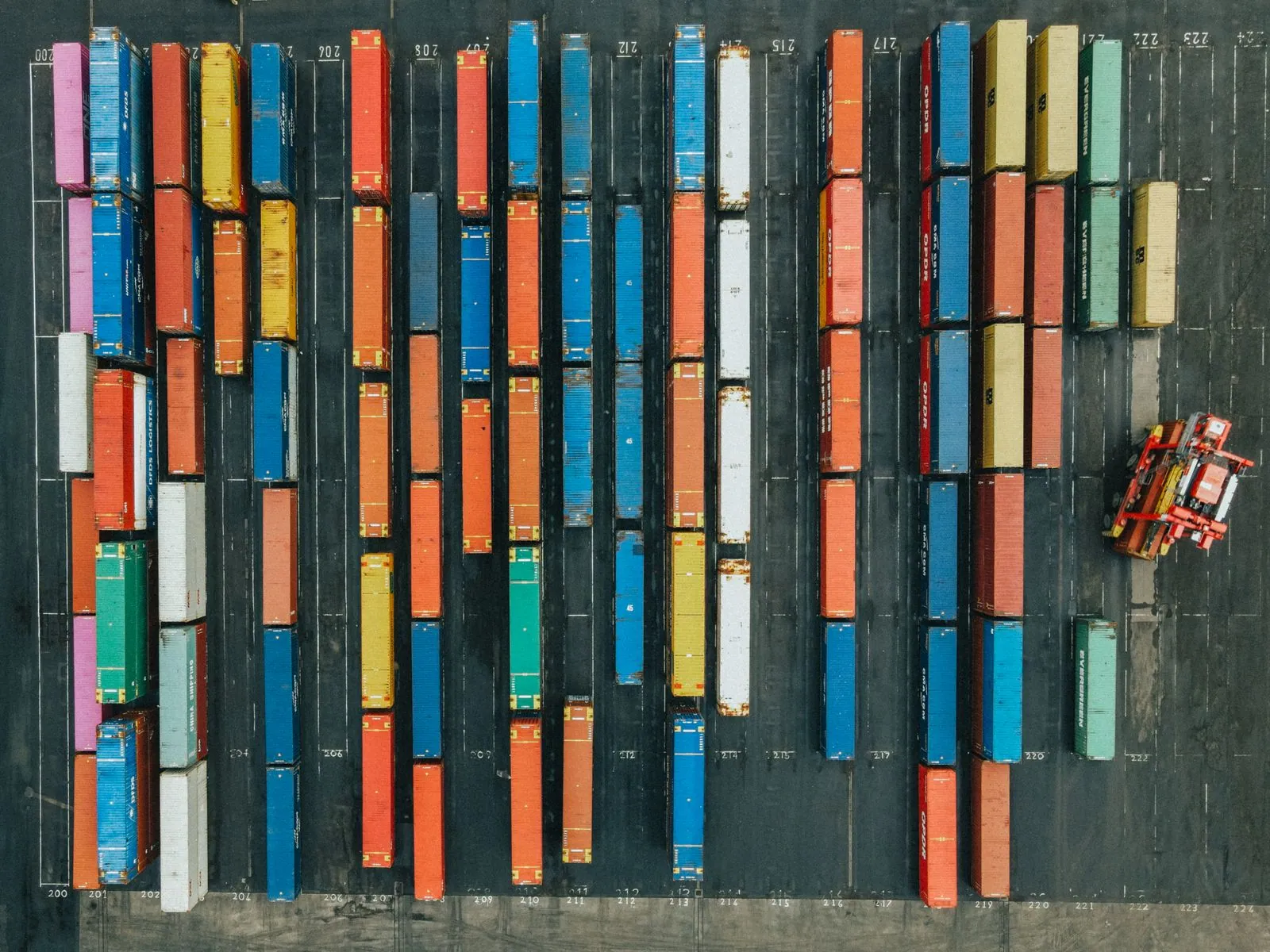
Aerial view of a container and cargo port terminal

East & West Africa

Gasoil and gasoline cargoes into Mombasa, Dar es Salaam, Djibouti, Lomé and Lagos, plus packed lubricants in drum and flexitank for distributors who need a full container rather than a coaster.

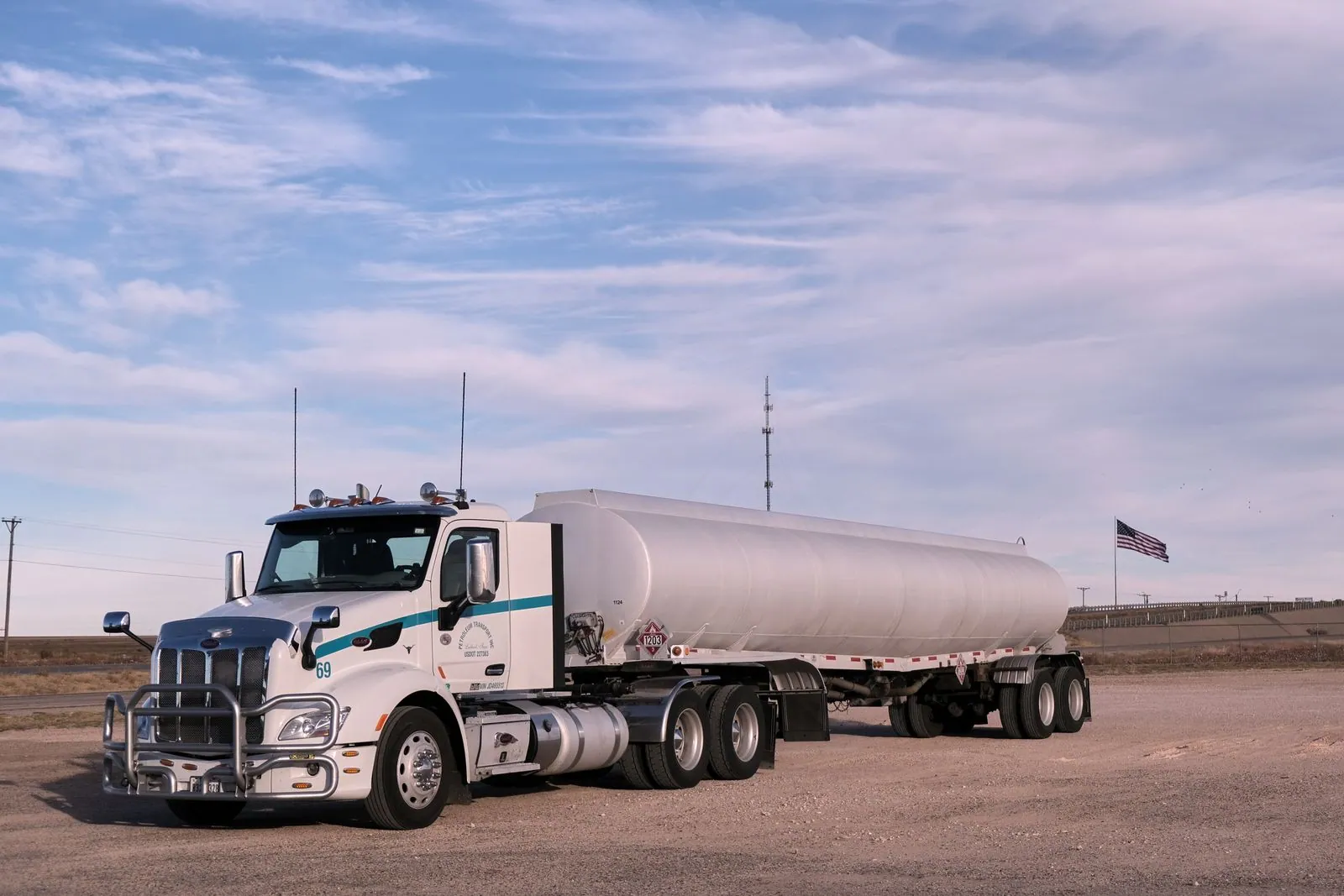
Fuel tanker truck on a highway

South & Central Asia

Distillates and base oils moving to Pakistan, Bangladesh and Sri Lanka by sea, and overland corridors serving the Caucasus and Central Asia where a truck programme beats a parcel every time.

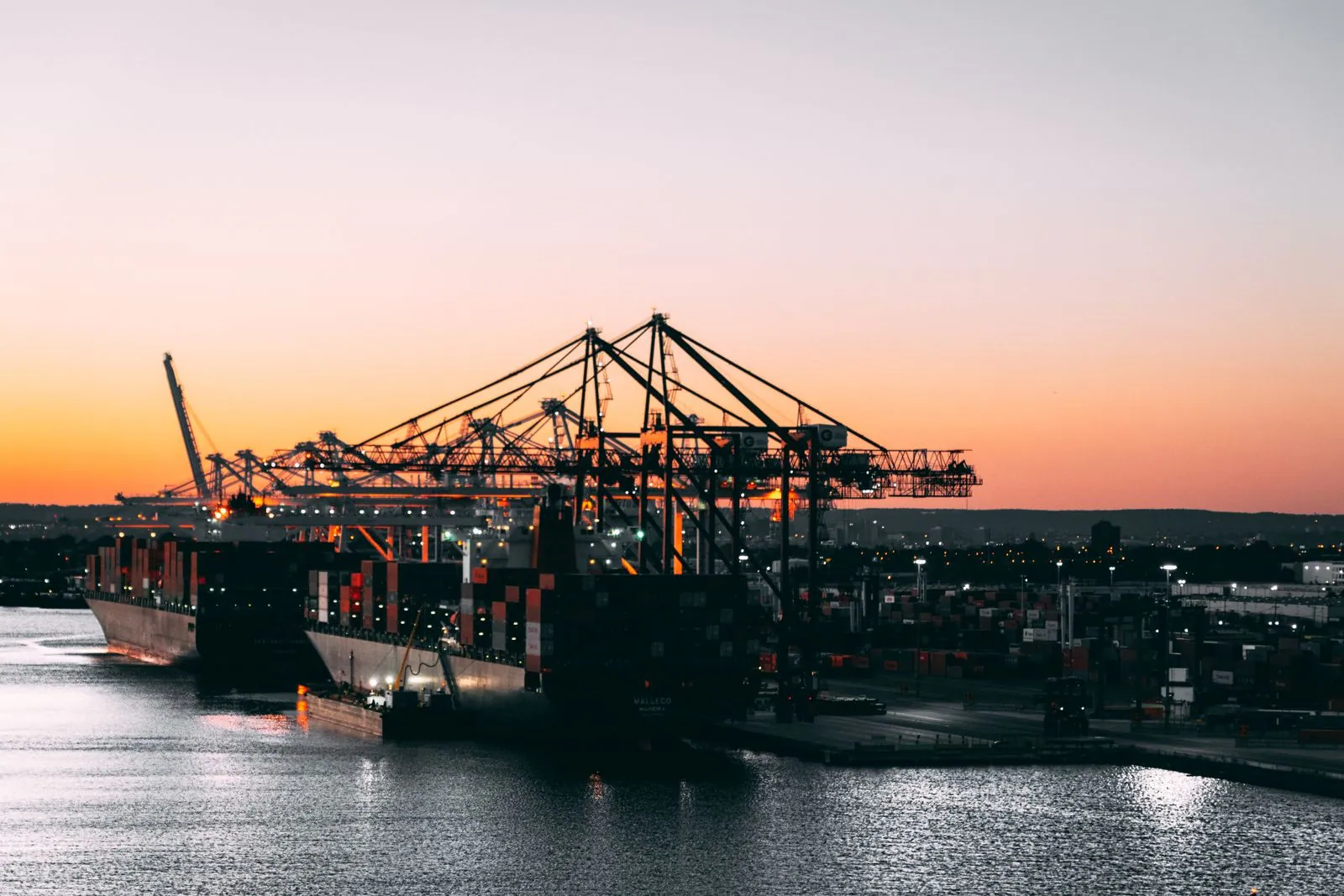
Industrial harbour at dusk with berthed vessels

Black Sea, Mediterranean & Europe

Westbound parcels through Suez into the eastern Mediterranean, and base oil and lubricant flows towards Turkey, the Black Sea and southern Europe where a Gulf origin still prices competitively against regional refining.

Load pointsHamriyah · Fujairah · Khor Fakkan · Jebel Ali · Sohar · Ruwais
Delivery termsFOB · CIF · CFR · DAP · Ex-tank · In-tank transfer
Parcel sizesTruck lots and drums through to MR-class clean product cargoes
DocumentationFull export set, legalised where the destination requires it

Commercial terms

The terms we work on, published before you ask.

Delivery basis and payment instrument are the two things that decide whether a deal closes. Rather than negotiate them from zero on every enquiry, here is where we normally start.

Delivery basis Where it applies Risk passes Typical payment
FOB Buyer's vessel at a UAE or Gulf load port At the vessel's permanent hose connection Irrevocable LC at sight / TT
CIF / CFR Delivered cargoes into Africa, South Asia and the Med On loading, freight and cover for our account Documentary LC against shipping documents
DAP Overland deliveries and regional truck programmes On arrival at the named place, before unloading TT in advance or against delivery note
Ex-tank / in-tank Hamriyah and Fujairah terminal storage On title transfer inside the terminal TT against the terminal's transfer certificate
Delivered bunkers Barge or ex-pipe stems for calling vessels At the receiving vessel's manifold Agreed credit days against the bunker delivery note

Terms above are our normal starting position and are not an offer. Anything can be discussed — it simply has to end up written down before a cargo moves.

Before you write to us

Four questions we are asked on nearly every first call.

If yours is not here, the contact page has a form built for exactly this — it asks for the things we would otherwise have to email you about.

Go to the enquiry form
Do you work with first-time counterparties?
Yes, and most relationships start that way. What we need is a company profile, trade licence or certificate of incorporation, and a clear picture of the end use and destination. On the first cargo we will normally ask for a documentary instrument rather than open credit — not as a judgement, just as the ordinary way a new relationship starts.
Will you sign an NCNDA or work through intermediaries?
We work with intermediaries who add something real: an end buyer, a supplier, an operational capability. We are happy to sign a properly drafted NCNDA in that case. We do not join chains of undisclosed parties passing the same offer between themselves, because those chains have no cargo behind them and waste everyone's week.
How is price set — fixed or floating?
Both. Spot parcels are usually quoted as a fixed figure valid for a stated period. Term contracts are normally priced as a differential to a published assessment — Platts or Argus for the relevant grade and region — averaged over an agreed pricing window around the bill of lading date. The formula, the source and the window all sit in the contract.
What quantity is too small?
On packed lubricants and base oils, a single twenty-foot container is a perfectly normal order. On bulk product, the practical floor is what a terminal will handle as a discrete parcel; below that, a truck programme is usually the better structure. Tell us the volume and we will tell you honestly whether we are the right route.

Send us the cargo, not the small talk.

Product, quantity, delivery basis, port and window. That is all we need to come back with a real number — usually the same working day.