




Industrial pipework and manifold inside a product terminal

Home  /  Services

What we trade and what we handle

Products, terms, and the work in between.

Four product families and the operational services that get them from a shore tank to your receiving point — chartering, storage, inspection, customs and the document set. Every grade below is quoted against a published standard and a full quality table.

EN 590 · ASTM D975 · ISO 3104 · ASTM D613

Middle distillates

Gasoil and diesel are the backbone of the book. They move in the largest volumes, they are the most tightly specified, and they are where a careless trader gets caught first.

Sulphur is the parameter everyone quotes, but it is rarely the one that causes a rejection. Cold filter plugging point on a cargo sailing into a northern winter, cetane index on a blend that has been cut too hard, flash point after a warm loading — those are the numbers that decide whether a parcel is accepted at the discharge manifold. We put the full table on every offer, and we treat the awkward parameters as the ones worth talking about.

Parcels run from single truck lots on a delivered basis through to full clean-product cargoes on MR tonnage. Below coaster size, a truck programme out of a Hamriyah or Fujairah terminal is almost always cheaper and faster than trying to force a small parcel through a berth window.

GradeSulphurTypical useBasis
EN 590 gasoil10 ppmRegulated on-road markets, modern fleetsCIF / CFR / FOB
Gasoil 50 ppm50 ppmTransitional on-road and captive fleetsCIF / CFR / FOB
Gasoil 500 ppm500 ppmOff-road, agriculture, generationCIF / CFR / ex-tank
Gasoil 5000 ppm0.5 % maxMining, heavy plant, industrial burnersCIF / CFR / ex-tank
Automotive diesel D2By specificationRegional grades to buyer's national standardCIF / DAP
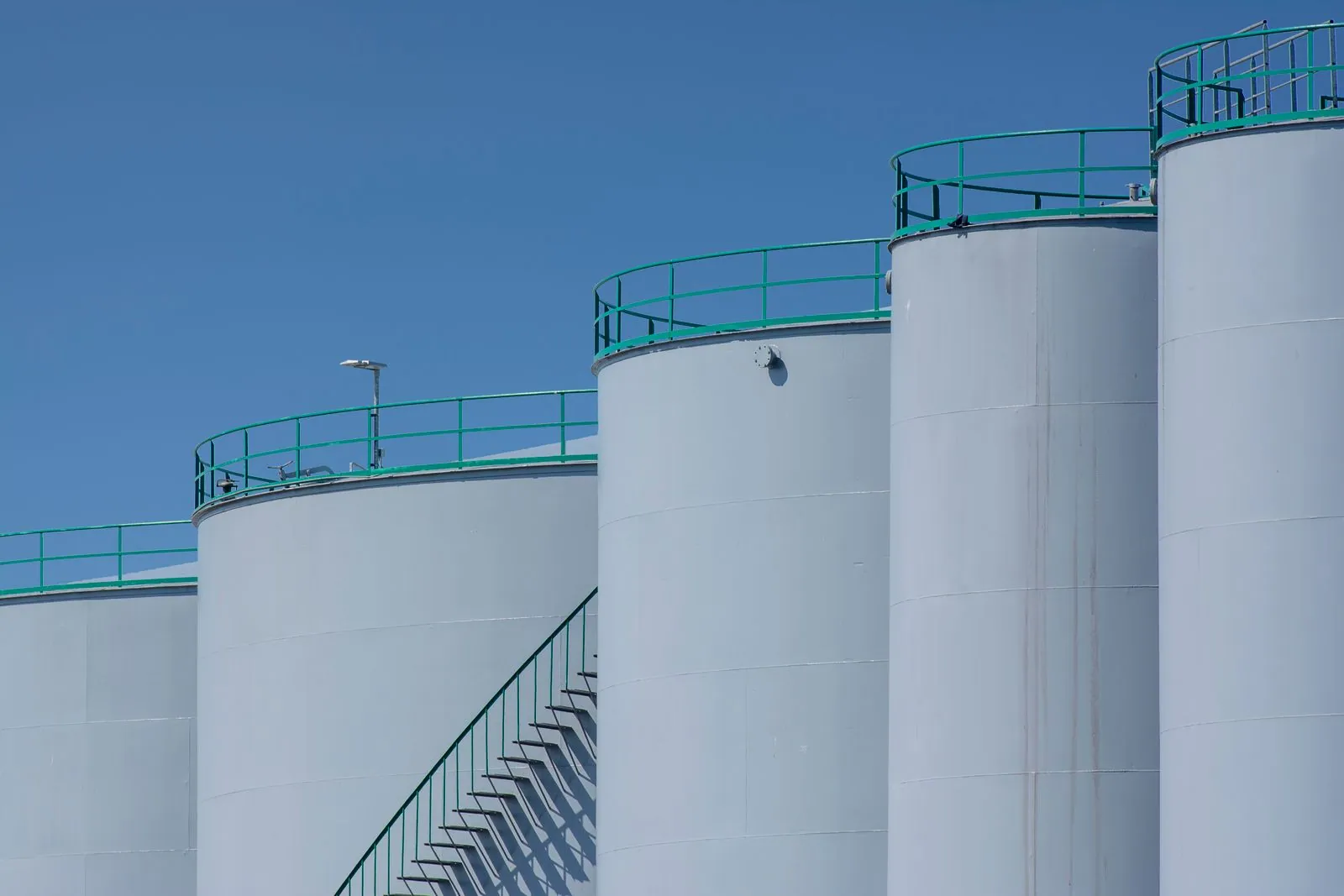
White petroleum storage tanks with access stairways
Product storage — Gulf terminal
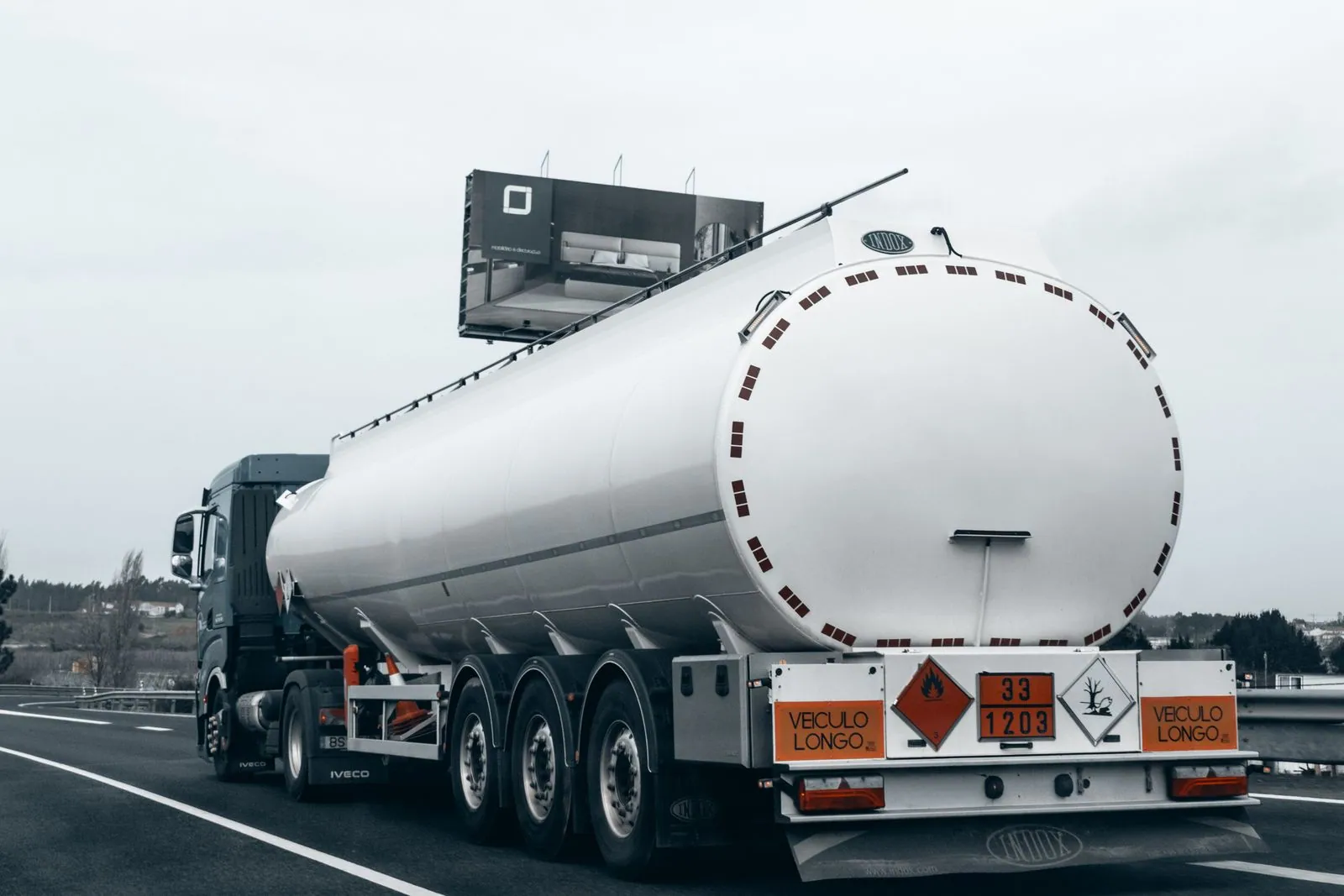
Road tanker used for delivered fuel programmes
Truck programmes for delivered parcels
Deck of a crude tanker at sunset

Chartering and freight

The freight leg is a trading decision, not an afterthought.

On a delivered cargo, freight is frequently the difference between a workable number and a wasted week. We fix tonnage through established brokers, vet the vessel on age, class and P&I cover, and obtain terminal acceptance before the nomination is confirmed rather than after.

Laytime, demurrage rate and the pumping warranty are agreed in the charter and mirrored in the sale contract, so the two documents cannot contradict each other when a berth runs late. Where a buyer prefers to control their own freight, we quote FOB and hand over a clean loading window instead.

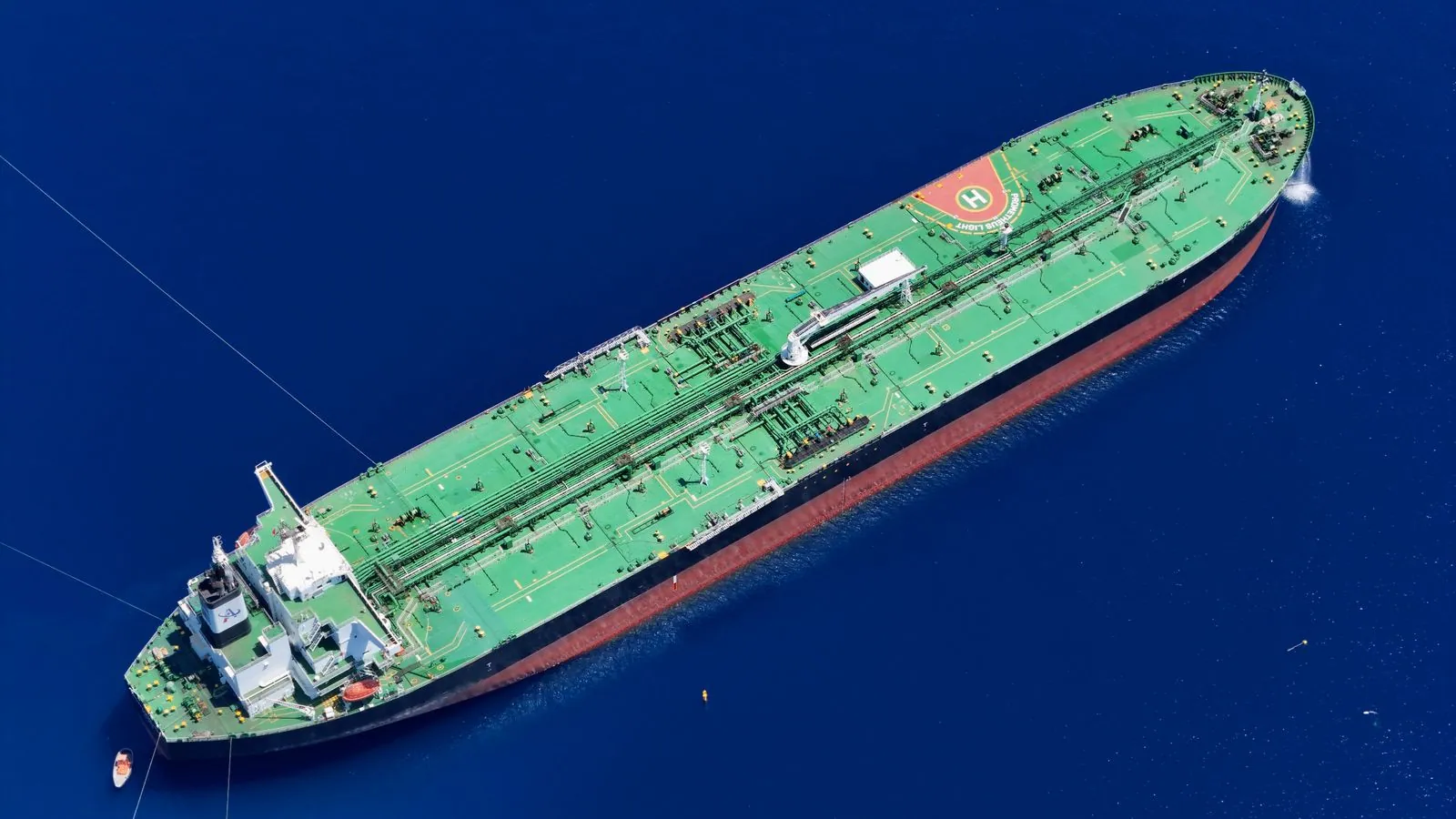
Aerial view of a laden tanker under way
Bunker stems for calling and waiting tonnage
Port cranes silhouetted at dusk
Operator at a terminal control panel
ISO 8217 · ISO 3675 · ISO 10307-2

Marine fuels & bunkers

Fujairah is the second largest bunkering hub in the world and it sits ninety minutes from our office. That proximity is the whole reason this desk exists.

Since IMO 2020 the compliant-grade market has stayed structurally awkward: VLSFO compatibility varies between suppliers, and blending two perfectly on-spec parcels in the same tank can still put sediment through a purifier. We quote by supplier and by grade, we do not mix stems between suppliers without the chief engineer's agreement, and we retain samples at both the barge and the receiving manifold.

  • VLSFO RMG 380 at 0.50 % sulphur, with RMK 500 where the burner permits
  • LSMGO DMA at 0.10 % sulphur and DMB for auxiliaries and harbour craft
  • HSFO 380 cSt at 3.5 % sulphur for scrubber-fitted tonnage
  • MARPOL-compliant sampling at the receiving vessel's manifold, sealed and witnessed
  • Bunker delivery note, sample seals and stem timings issued as one pack
Supply mode
Barge alongside, ex-pipe at berth, or ex-wharf for smaller craft
Locations
Fujairah OPL and anchorage, Khor Fakkan, Hamriyah, Jebel Ali
Nomination notice
72 hours preferred, shorter windows worked where a barge is free
Payment
Prepayment or agreed credit days against the bunker delivery note
ASTM D4814 · DEF STAN 91-091 · ASTM D1655 · ASTM D4052

Light ends & crude

The high-value, high-consequence end of the barrel — where a certificate from an unrecognised laboratory is worth nothing and everybody in the chain knows it.

Gasoline moves against a full quality table: research octane, Reid vapour pressure adjusted for the destination's season, benzene, lead and oxygenate content to whatever the receiving country's standard demands. Winter and summer grades are not interchangeable, and we will not let a cargo sail against the wrong one because the buyer's specification was copied from last year.

Jet A-1 is handled only with a valid refinery certificate of analysis, a documented supply chain and, where the receiving airport requires it, a joint inspection at the discharge point. Aviation fuel is the one product where we will simply decline a trade rather than accept a gap in the paperwork.

Crude oil is traded strictly as a cross-trade — loaded at an origin outside the UAE and discharged at a destination outside the UAE — as our licence provides. Cargoes are handled against firm end-buyer documentation, with quality assessed on API gravity, sulphur, TAN and the full assay rather than on a name.

ProductKey parametersNotes
Gasoline 91 RONRON, RVP, benzene, leadUnleaded; seasonal RVP set for the destination
Gasoline 95 RONRON, MON, RVP, oxygenatesQuoted to the receiving country's national standard
Jet A-1Freeze point, flash, conductivityRefinery COA required; joint inspection where demanded
KeroseneSmoke point, flash, distillationIlluminating and industrial grades
Crude oilAPI, sulphur, TAN, full assayCross-trade only, outside the United Arab Emirates
Offshore production platform at sea
Crude handled as cross-trade, origin to destination
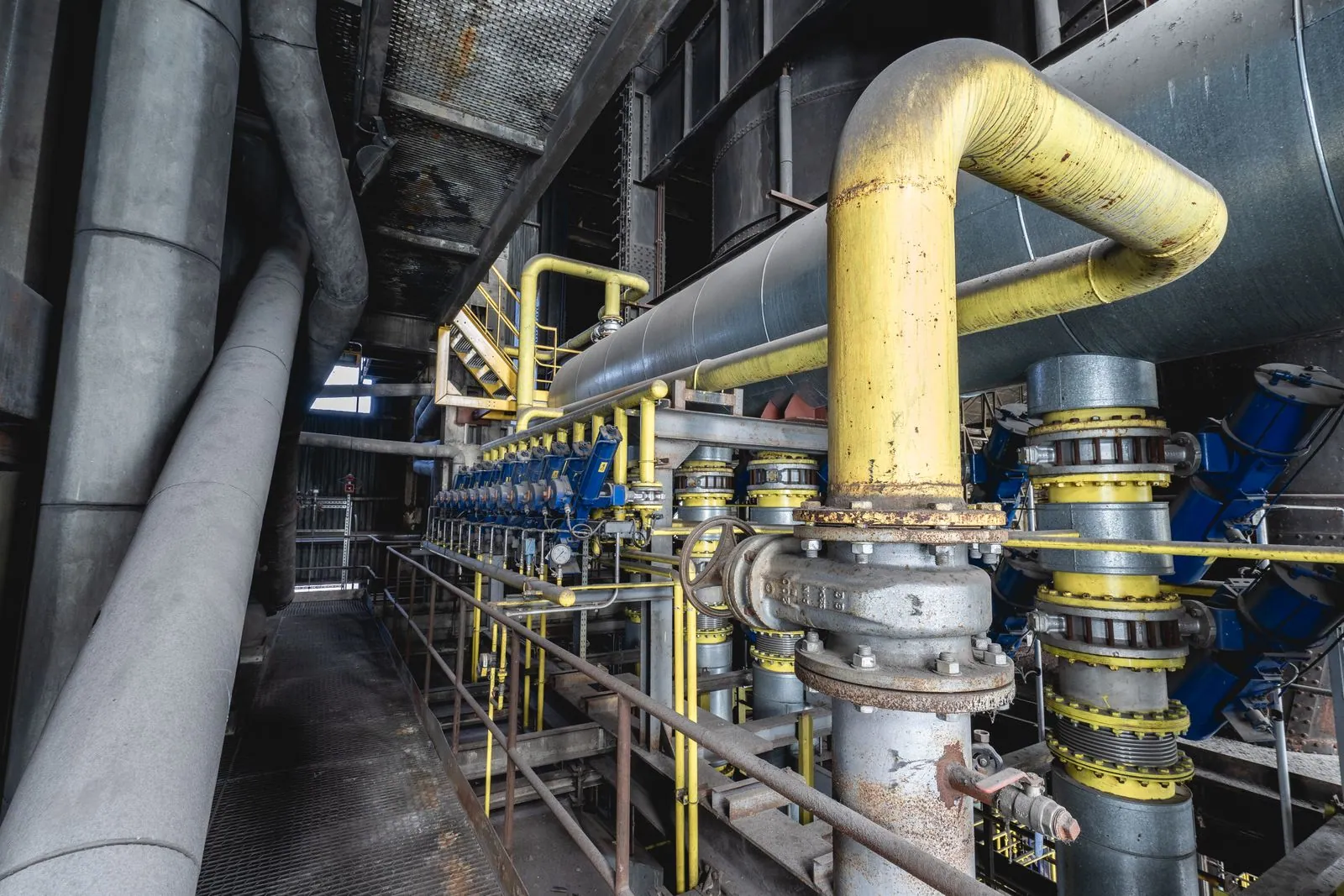
Yellow product pipelines and valves at a terminal
Segregated lines for light ends
API · ACEA · NLGI · ISO 3448

Lubricants, base oils & grease

The packed side of the licence, and the part of the business that behaves least like commodity trading. Orders are smaller, repeat cycles are longer, and the customer is usually a distributor or a workshop rather than a trader — so consistency matters far more than the last two dollars on a tonne.

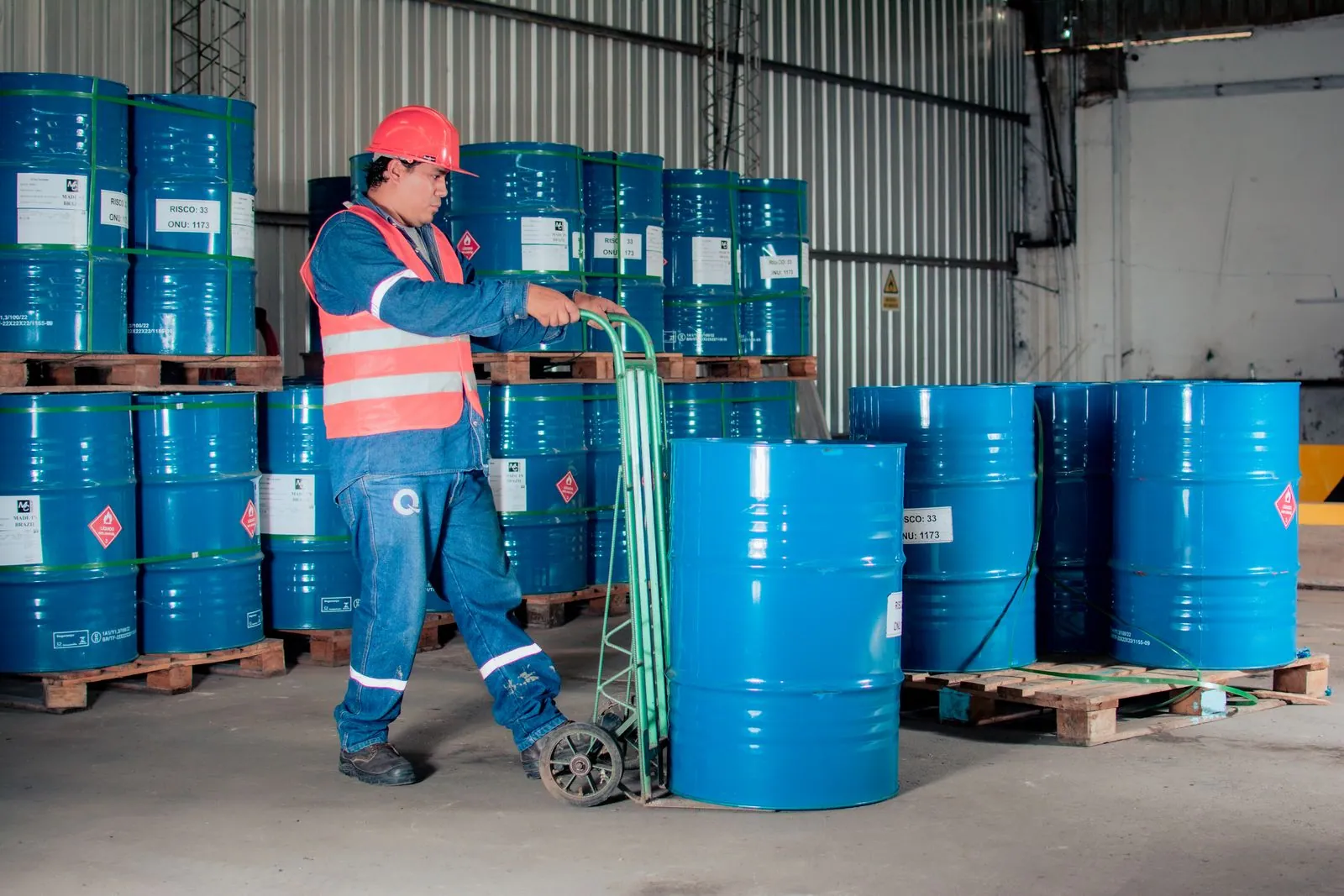
Worker handling drums in a lubricants warehouse

Base oils

Group I and Group II base stocks for blenders and re-packers, in bulk parcel, flexitank or 208-litre drum. Viscosity index, pour point and colour certified per batch.

  • SN 150 · SN 500 · SN 600 · Bright Stock BS 150
  • Group II 150N and 500N where the blend requires it
  • Bulk, flexitank or drummed on the same order

Golden lubricating oil being poured during a service

Finished lubricants

Engine, hydraulic, gear and transmission oils for road fleets, plant, marine auxiliaries and industry — supplied in drum, pail and IBC, with private-label filling available on agreed volumes.

  • Engine oils to API SN / SP and CK-4, ACEA E-series
  • Hydraulic ISO VG 32 / 46 / 68 to DIN 51524
  • Gear oils API GL-4 / GL-5 and marine system oils
Open steel drums under warm workshop lighting

Greases

Lithium and lithium-complex greases for automotive, marine deck machinery and heavy industry, in cartridge, pail and drum. Dropping point and worked penetration certified per batch.

  • NLGI grades 1, 2 and 3
  • Lithium, lithium-complex and calcium-sulphonate thickeners
  • EP additive packages for shock-loaded bearings
Packing
208 L drum · 20 L and 18 L pail · 1000 L IBC · 4 L and 1 L retail · 20 000 L flexitank · bulk parcel
Container loading
Palletised and shrink-wrapped for 20 ft and 40 ft units, loaded and sealed at Hamriyah or Jebel Ali
Private label
Own-brand filling and artwork on agreed minimum volumes, with batch traceability retained
Documentation
Batch certificate of analysis, safety data sheet and certificate of origin with every shipment

Around every cargo

Operational services, included rather than invoiced.

These are not add-ons. They are what a trader is for. A counterparty who wanted only a price could get one from a screen; what they cannot get from a screen is somebody who will hold the berth, chase the inspector and read the credit.

Chartering & freight

Tonnage fixed, vetted and accepted

Vessels fixed through established brokers and vetted on age, class, P&I cover and inspection history. Terminal acceptance obtained before the nomination is confirmed. Laytime and demurrage mirrored between charter and sale contract so they cannot conflict.

Storage & blending

Tank capacity in the right place

Independent storage at Hamriyah and Fujairah for staging, breaking bulk and holding stock against a buyer's call-off programme. Segregated tanks for light ends, heated capacity for residuals, and in-tank transfer where title needs to move without the product doing so.

Inspection & testing

Third-party eyes on every parcel

Independent quantity and quality survey at load and, where contracted, at discharge. Shore tank gauging reconciled to vessel ullage. Sealed retained samples held for the contractual claim period. The buyer is free to nominate the inspector.

Customs & free zone

Re-export handled inside the fence

Free zone entry, bonded movement and re-export documentation processed under the Hamriyah regime. Certificates of origin obtained and legalised where the destination requires it, including chamber and consular legalisation.

Trade finance

Instruments that actually get paid

Documentary and standby letters of credit, cash against documents and telegraphic transfer. Credit wording reviewed against the document set we can genuinely produce, before it is issued — the cheapest place to fix a discrepancy is in the draft.

Documentation

One clean set, checked twice

Bill of lading, commercial invoice, certificate of origin, certificate of quality and quantity, ullage report, time sheet, cargo manifest and packing list where applicable — assembled as one pack and reconciled to the credit before presentation.

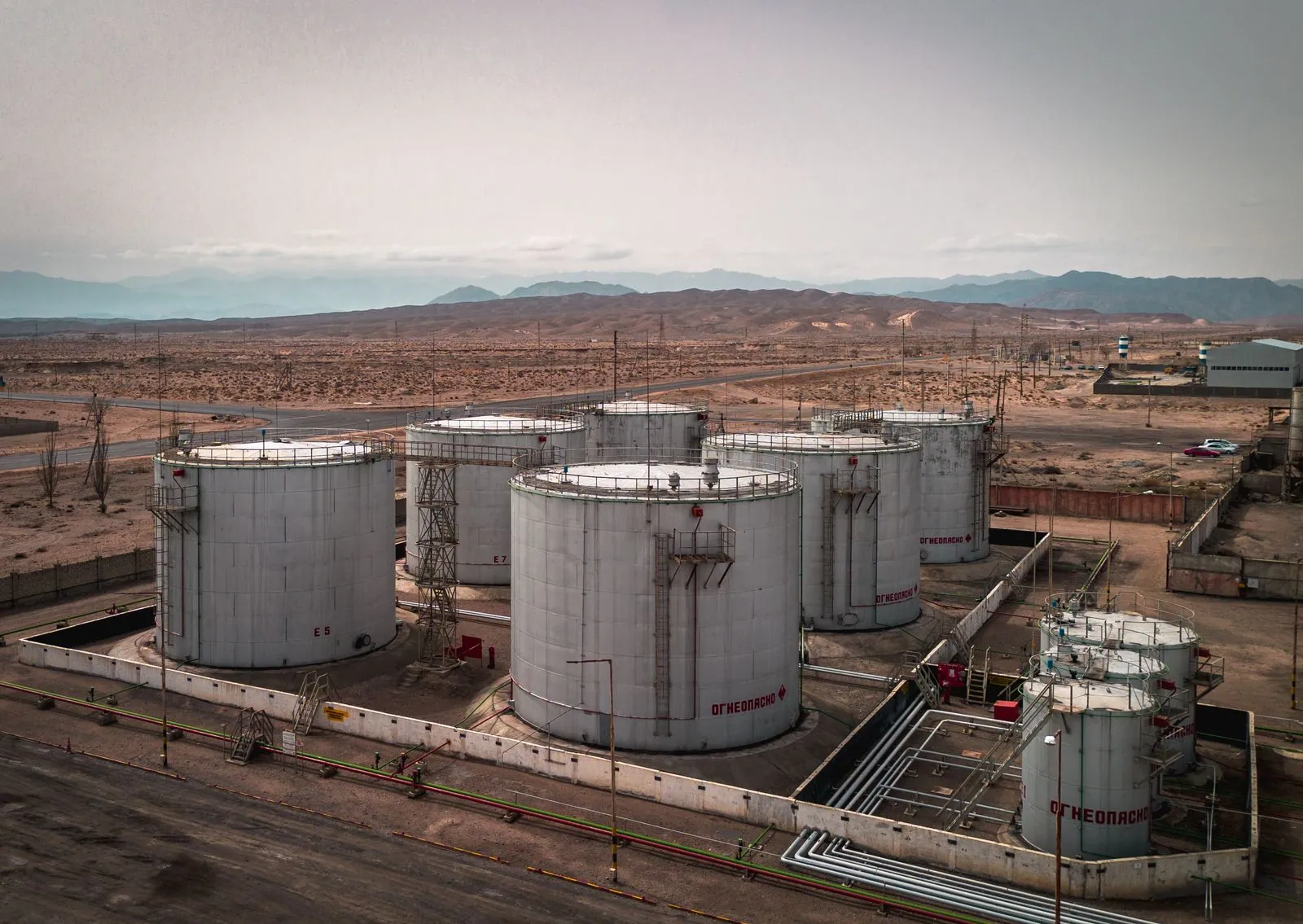
Storage tank farm in a desert landscape

What we need from you

Five lines, and we can quote.

Most enquiries stall because the first message leaves out something we cannot guess. If your note contains the five items below, you will normally have an indication back the same working day.

  • Product and grade — including the standard, if you have one in mind
  • Quantity — per shipment and, if it is a term, per month
  • Delivery basis — FOB, CIF, CFR, DAP or ex-tank
  • Port or place — load port for FOB, discharge port for delivered
  • Window — the laycan or delivery period you are working to

Service questions

The operational detail buyers usually ask for second.

Can we nominate our own independent inspector?
Yes, and we encourage it. Name the company in the contract along with the cost split and the scope — load only, or load and discharge. We will share every report we receive in full, including the ones that are inconvenient for us.
Do you hold stock, or is everything back-to-back?
Both, depending on the product. Packed lubricants and base oils are held in the free zone so a container can ship on short notice. Bulk product is normally traded back-to-back against a confirmed sale, with terminal storage used to stage a parcel or break bulk rather than to speculate on the flat price.
What are the quantity tolerances on a bulk cargo?
Normally plus or minus five per cent in the seller's option on a full cargo, or two per cent on a smaller parcel — stated explicitly in the contract along with who declares the operational tolerance and by when. Invoicing follows the bill of lading quantity unless the contract says otherwise.
How is demurrage handled?
The demurrage rate and allowed laytime come straight from the charter party into the sale contract, so the two cannot disagree. Time sheets and statements of fact are issued by the agent and shared with both sides. Claims are presented with supporting documents inside the period the contract sets, not months later.
Can you supply against a government or state tender?
Yes, where the tender is open to a UAE free zone company and the documentary requirements are achievable — bid bonds, performance guarantees, legalised certificates and local agency arrangements included. Send the tender document early; the requirements, not the price, are usually what decides whether a bid is worth making.

Tell us the cargo. We will tell you if it works.

Including when it does not. A straight no on day one is worth more than a maybe that runs for a month.