Rule 01
No offer without a cargo behind it
Every offer traces to a supplier we have dealt with, a terminal that will confirm the product, or tonnage we can charter. Allocations we have not verified never leave the desk.

Home / About
Company profile
Nexus Oil Trading FZE was set up to do the unglamorous half of commodity trading well: read the specification, hold the laycan, inspect the cargo, and hand over a set of documents the bank accepts first time.
On the record
Everything on this page can be checked against the register. The Hamriyah Free Zone Authority publishes an online verification service for every licence it issues, and we would rather you used it than took our word for anything.
Why we exist
Anyone who has spent a season in physical petroleum knows the pattern. An enquiry goes out. Twelve replies come back within the hour, eleven of them from parties with no product, no terminal relationship and no intention of ever being at the loading berth. Weeks disappear into documents that were never going to lead anywhere, and the buyer ends up back where they started — except later, and more cynical.
Nexus was founded on a narrow response to that. We keep the book small enough that every offer we send is one we can operate ourselves. If we cannot name the terminal, describe the tank and tell you who will inspect it, we do not send the offer. That costs us volume. It also means that when we do come back with a number, it is worth reading.
The company is new — the licence was issued in July 2026 — and we would rather say so than manufacture a history. What is not new is the work: sourcing, chartering, inspection, documentary credits and the operational grind of getting a parcel from a shore tank into a buyer's system without a claim at the end of it.


How we operate
Not values on a wall. These are the decisions we have already made, so nobody has to relitigate them at eleven at night with a vessel on demurrage.
Rule 01
Every offer traces to a supplier we have dealt with, a terminal that will confirm the product, or tonnage we can charter. Allocations we have not verified never leave the desk.
Rule 02
Grade, test method and limit go into the sale contract in full. A cargo either meets the table or it does not, and that question is settled by an inspector, not by argument.
Rule 03
Berth congestion, a failed sample, a delayed instrument — you hear it from us the day we hear it. Nothing about a slipping laycan improves by being discovered late.
Rule 04
The full set is read against the credit line by line before it goes to the bank. A discrepancy found in our office costs an hour; one found at the counter costs a fortnight.
Rule 05
Counterparties, vessels and destinations are screened against applicable sanctions regimes before a contract is signed. Some business simply does not get done, and that is the point.
Rule 06
The person who quotes the cargo is the person who operates it and the person who answers when something goes sideways. No handovers, no re-explaining the trade to a new name.
Base of operations
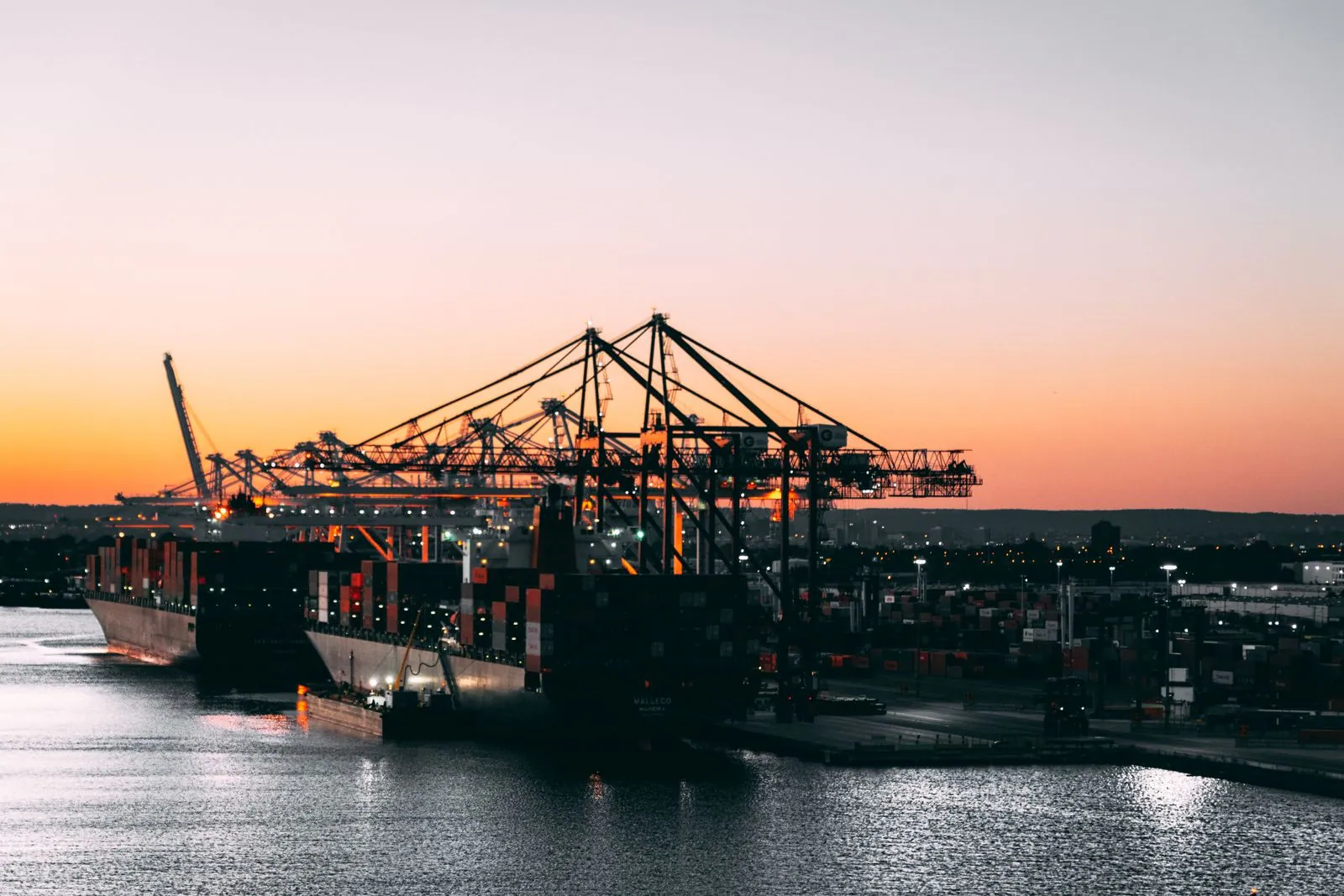
Hamriyah is the second largest industrial free zone in the UAE and the only one on this coast built around a deep-water port with dedicated liquid-bulk terminals. Tank storage, blending capacity, drumming lines and a customs regime designed for re-export all sit inside the same fence.
Forty minutes east, Khor Fakkan and Fujairah open directly onto the Gulf of Oman, which means an eastbound or southbound cargo never has to transit the Strait of Hormuz. Forty minutes south, Jebel Ali handles the container leg for packed lubricants. It is a rare piece of geography, and it is the practical reason a company this size can quote credibly across four product families.


Compliance, HSE and counterparty screening
Trading petroleum out of a free zone carries obligations that arrive long before the first barrel does. We treat them as part of the commercial process rather than a form to be signed at the end.
Working with us
The same person from indication through to document presentation. Your trade never gets re-explained to a stranger.
Berthing prospects, loading progress and document status, sent while a cargo is live — without you having to chase.
The complete quality table on the offer, not a headline grade with the awkward parameters left off.
You may nominate the independent inspector. We will meet the cost share agreed in the contract and share every report in full.
We would rather be verified than believed. Send us an enquiry and see how much of it comes back with a document attached.